

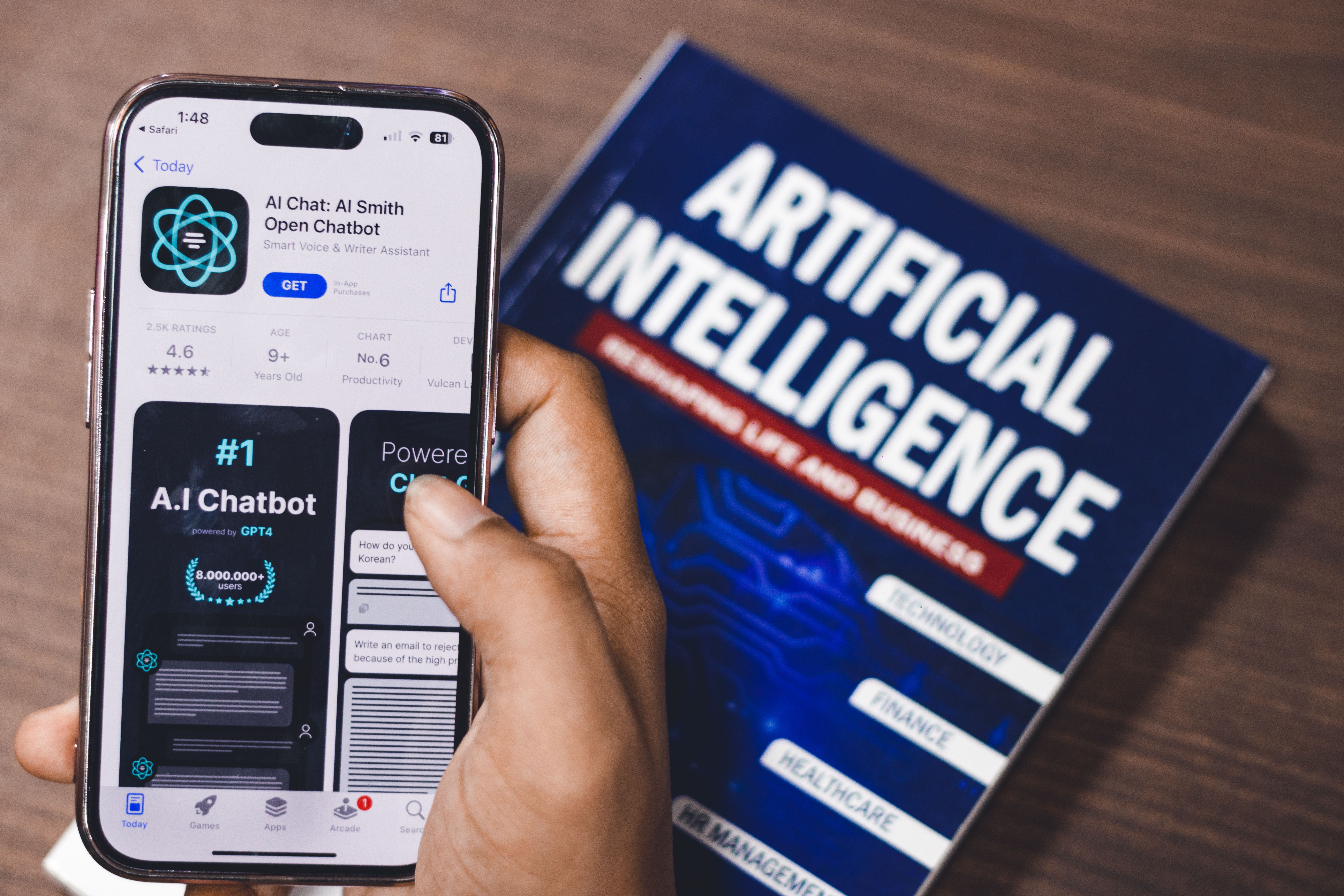
Artificial intelligence used to sound like something only giant tech companies could afford, but today it has become one of the most useful tools a business owner can keep nearby. I think of AI less as a replacement for people and more as a smart assistant that helps with repetitive work. It does not magically fix every problem, despite what the internet hype machine keeps screaming, but it can make daily business tasks easier every day.
The first thing I remind myself is that AI works best when I give it clear instructions. If I ask a vague question, I usually get a vague answer. If I explain the goal, audience, tone, and details, the result is much better. Instead of asking AI to “write a post,” I might ask it for a friendly caption for a local service business, aimed at homeowners, with a helpful tone. That detail gives the tool direction, because apparently even robots need babysitting.
One of the easiest ways to use AI in business is for content ideas. I can use it to brainstorm blog topics, email subject lines, social posts, video ideas, website headlines, and frequently asked questions. This is useful when I need to market my business but my brain has decided to produce nothing except static. AI helps me get unstuck and turn a blank page into a starting point.
AI is also helpful for writing first drafts. I would not recommend copying every word without reviewing it, because that is how businesses end up sounding like they were assembled by polite toasters. Instead, I use AI to create a rough version, then I edit it so it sounds natural, accurate, and specific to my business. This works well for blog posts, service descriptions, customer replies, newsletters, ads, and internal documents.
Another smart use is customer communication. AI can help me draft responses to common questions, create follow-up messages, write appointment reminders, and prepare polite replies to reviews. For a small business, this saves time. A clear response that used to take ten minutes can often be drafted in seconds, then adjusted before sending. The important part is to keep human judgment in place, especially with complaints, pricing, or sensitive issues.
AI can also help organize business operations. I can use it to create checklists, training notes, meeting agendas, and simple workflows. If I have a repeated process like onboarding a customer, preparing an estimate, or following up after a job, AI can help turn that process into a clear step-by-step system. That makes the business easier to run and easier to train others.
Another area where AI can be useful is research and planning. I can ask it to compare software options, summarize information, explain terms, or outline a marketing plan. I still need to verify important details, especially prices, laws, product features, or anything that changes often. AI is useful, but it is not a magic truth machine. It is more like a fast intern with suspicious confidence.
The biggest mistake I see beginners make is expecting AI to know everything about their business without being told. The better approach is to give it context. I tell it what type of business I run, who my customers are, what problem I am solving, and what result I want. The more useful information I provide, the better the output becomes.
Used wisely, AI can help save time, improve communication, create better systems, and make marketing easier. It still needs direction, editing, and common sense, but it can be a powerful support tool. For me, the best way to use AI is simple: let it handle the first draft, brainstorming, and repetitive work, while I stay responsible for the final decision.